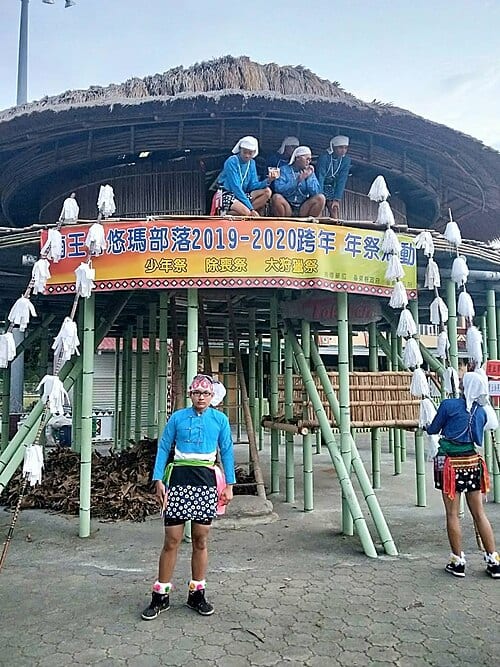
Nanwang Village is a Puyuma community within Taitung City, known in the indigenous language as "Puyuma," one of the eight traditional Puyuma settlements whose chief was historically known as the "Puyuma King." The Great Hunting Ritual and Mourning Removal Ceremony held each year from December through January are among the most important indigenous annual ceremonies in Taitung, drawing Puyuma people back to their home village and serving as an important window for outsiders to understand Puyuma culture.
Nanwang Village is one of the eight traditional Puyuma settlements, and the Puyuma people's self-designation "Puyuma" derives from this village, whose chief was historically known as the "Puyuma King." The village still holds the Great Hunting Ritual (annual ceremony), the Youth Ritual (Monkey Ritual), the shaman ritual, the women's weeding-completion ritual, and the sea/millet harvest ritual, making it one of the villages that best preserves Puyuma culture.
Highlights of Nanwang Village
Nanwang Village is located in Nanwang Village, Taitung City, adjacent to Beinan Cultural Park, and is geographically connected to the prehistoric Beinan site — embodying the cultural continuity of the Puyuma people from prehistory to the present day. The village has indigenous language and cultural classrooms that promote the transmission of the Puyuma language and culture. Organizations such as the Puyuma Traditional Culture Association have long been active in the village, engaged in cultural documentation and education.
The Great Hunting Ritual (Monkey Ritual) is the Puyuma male coming-of-age ceremony and year-end hunting festival. The Mourning Removal Ceremony carries the ritual significance of sending off the deceased and lifting mourning attire from tribe members. During the ceremony period (late December to early January), the village is filled with songs and dances, and Puyuma traditional songs are renowned throughout Taiwan. When visiting the village, please observe basic etiquette: do not enter private buildings without permission; during ceremonies, follow the instructions of on-site personnel; and refrain from photographing or recording in ceremonial spaces — as a sign of cultural respect.
Tips for Getting the Most Out of Your Visit
Practical Information
Getting There & Time
- By car: From Taitung City center, head toward Nanwang. The village is in Nanwang Village, Taitung City; follow road signs, near the new Taitung Train Station area.
- Public transport: From Taitung Train Station, take a taxi approximately 10 minutes to the Nanwang Village area.
- During ceremony periods, visitor numbers are higher and parking within the village is limited. It is recommended to park at nearby public lots and walk in.
Nearby Connections
- Beinan Cultural Park is within walking distance. Visiting the Prehistory Museum first before heading to the village helps provide cultural context.
- Taitung City center is about 10 to 15 minutes away, connecting to the Railway Arts Village or Indigenous Peoples Culture Center to form a Taitung cultural one-day itinerary.
Source: Public documents on Nanwang Village and related materials from the Puyuma Traditional Culture Association.
Frequently Asked Questions
Where does the name "Puyuma" come from?
The Puyuma people's self-designation derives from Nanwang Village, whose chief was historically called the "Puyuma King."
What ceremonies does Nanwang Village still hold?
It still holds the Great Hunting Ritual, the Youth/Monkey Ritual, the shaman ritual, the women's weeding ritual, and the sea harvest ritual.
When is the Great Hunting Ritual held?
It takes place around late December to early January each year; exact dates are announced by the village.
Sources
- 南王部落 - 維基百科 — 部落祭典與族名由來
- 卑南族 - 維基百科 — 八社與族名