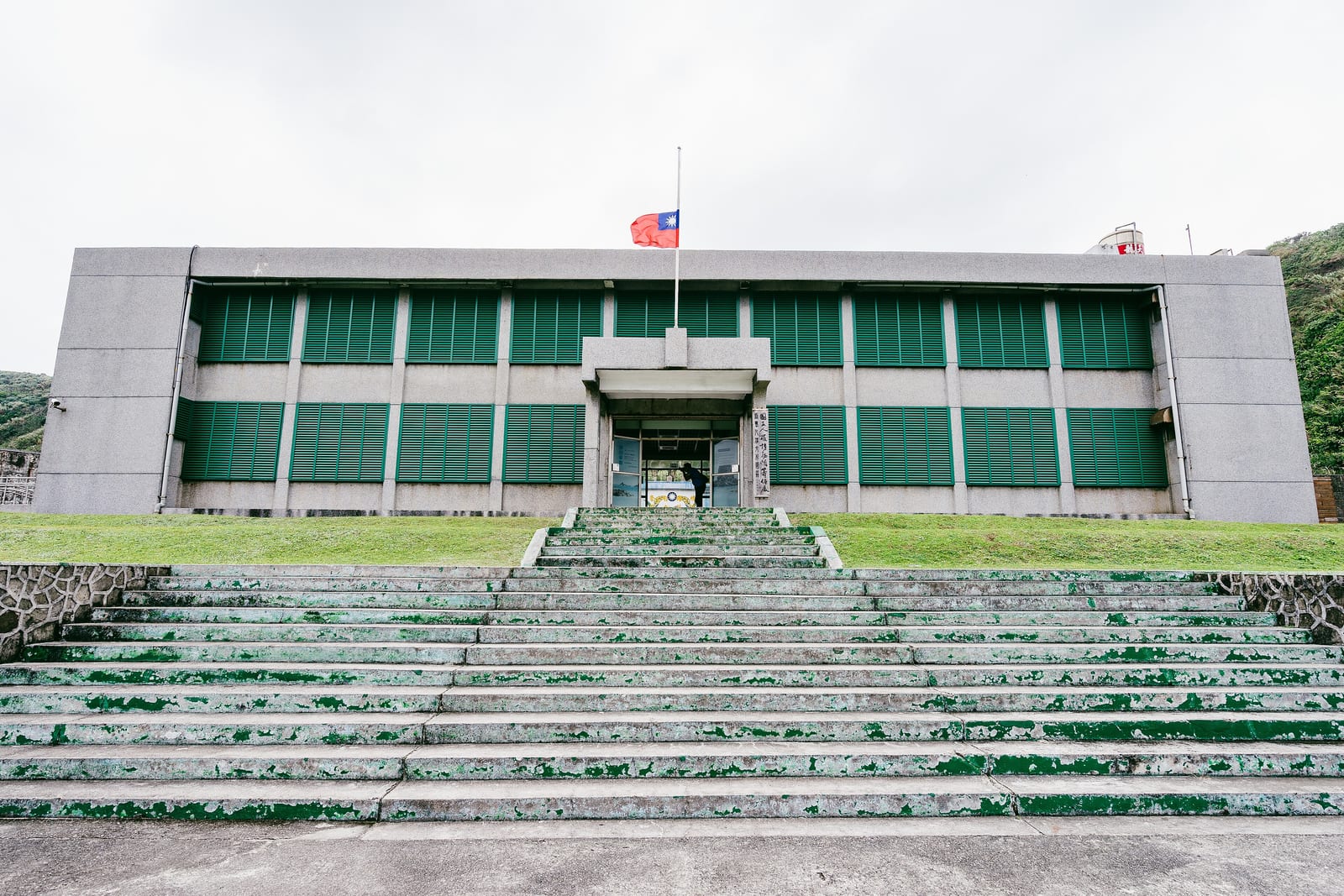
Green Island Human Rights Memorial Park is a memorial site built on the location where political prisoners were detained during Taiwan's White Terror era. Now officially known as the Green Island White Terror Memorial Park, it encompasses the 1950s Xinsheng Training Center and the 1970s Green Oasis Villa, and has been managed by the National Human Rights Museum since 2018.
The Xinsheng Training Center operated from 1951 to 1970 and, at its peak, held roughly 2,000 political prisoners organized into 3 brigades and 12 companies; it was succeeded in the 1970s by the Ministry of National Defense's Green Island Reformatory (Green Oasis Villa), which operated until 1987. The site was officially renamed the White Terror Green Island Memorial Park when the National Human Rights Museum was established on March 15, 2018 (National Human Rights Museum official website).
Highlights of the Human Rights Memorial Park
Beginning in the 1950s, the Nationalist government established the Xinsheng Training Center on Green Island to hold political prisoners sentenced in political cases. In the 1970s it was reorganized as the Lyudao Mountain Villa and continued operating. Green Island, surrounded on all sides by ocean and naturally isolated, served as an ideal site for detaining political prisoners. Those detained came from all walks of life — writers, teachers, students, farmers, and workers — and were required during their imprisonment to perform labor and undergo political re-education.
In 1999 the Taiwan Human Rights Memorial Park was established here and is now managed by the National Human Rights Museum as part of its network of cultural park sites. The park has preserved the original detention facilities, prison cells, and labor factory buildings, along with a permanent exhibition explaining the historical context of the White Terror. The Weeping Monument within the park is a well-known symbol of human rights. The openness of the coastal space forms a stark contrast with the sealed environment of detention that once existed here. Please conduct yourself with solemnity when visiting — this is a historical site where survivors and their families are still living.
How to make the most of your visit
Practical information
Getting there & time
- After arriving on Green Island, the park is located near Jiangjun Rock on the northern side of the island. You can ride a scooter or take a taxi; it is about 10 minutes from Nanliao Harbor.
- The park is free to enter. Check the National Human Rights Museum's official website to confirm opening hours and guided tour schedules. Transportation to Green Island (ferry or flight) must also be confirmed in advance.
Nearby connections
- Sunrise Hot Spring is on the southeastern side of the island and can be combined with the Human Rights Park in a single-day itinerary — Human Rights Park in the morning, hot spring in the afternoon.
- Green Island Lighthouse and the Jiangjun Rock coastal scenery are also in the vicinity; natural and historical sites can be connected on foot.
Sources: National Human Rights Museum official website; Taiwan Human Rights Historical and Cultural Park.
Frequently Asked Questions
What is the official name of Green Island Human Rights Memorial Park today?
It is now officially called the White Terror Green Island Memorial Park, managed by the National Human Rights Museum since 2018.
How many people were detained at Xinsheng Training Center?
At its peak the center held roughly 2,000 political prisoners, organized into 3 brigades and 12 companies.
What are the main sites within the park?
The park preserves the original prison complex, including both the Xinsheng Training Center and Green Oasis Villa, along with a human rights monument and a permanent exhibition.
Sources
- 白色恐怖綠島紀念園區 — 國家人權博物館官網,園區沿革與新生訓導處編制人數